Clean River Alliance Home

Category

Water Quality & Public Health

8 articles

Ghosts in the Groundwater: How America's Industrial Past Is Still Contaminating the Rivers We Depend On

Ghosts in the Groundwater: How America's Industrial Past Is Still Contaminating the Rivers We Depend On

Beneath hundreds of American communities, the chemical remnants of shuttered factories and abandoned mills continue their slow migration through aquifers toward rivers and streams. These legacy contaminants—many deposited decades ago—move largely unseen through the subsurface, evading regulatory attention and outpacing cleanup efforts. Understanding the science of groundwater-surface water interaction is essential to confronting a pollution crisis that refuses to stay in the past.

Feeding the Bloom: How Phosphorus Runoff Is Rewriting the Chemistry of American Rivers

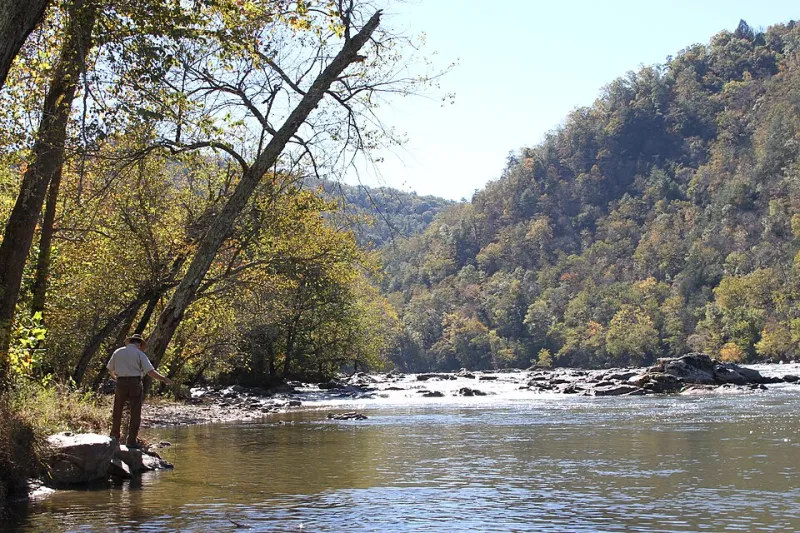
Feeding the Bloom: How Phosphorus Runoff Is Rewriting the Chemistry of American Rivers

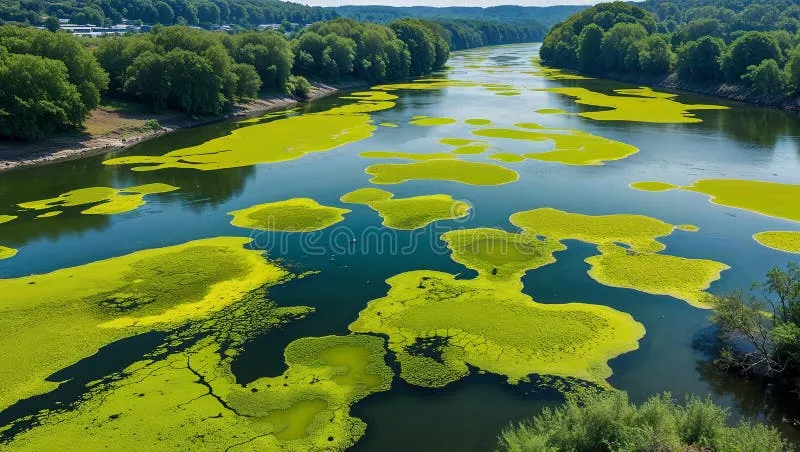
Phosphorus, an essential nutrient for life, has become one of the most destabilizing forces in American waterways. Driven by agricultural fertilizers and urban stormwater, excess phosphorus is fundamentally altering river chemistry, triggering toxic algal blooms, and threatening the drinking water supplies of millions of Americans. Scientists and municipalities are racing to understand — and reverse — a crisis hiding in plain sight.

Degrees of Danger: The Slow Warming of America's Rivers and What Communities Stand to Lose

Degrees of Danger: The Slow Warming of America's Rivers and What Communities Stand to Lose

Water temperature is among the most consequential and least discussed dimensions of the climate crisis unfolding in American rivers. As thermal conditions shift beyond the tolerance thresholds of native species and begin compromising drinking water treatment systems, communities face a narrowing window to act. Understanding the science of river warming — and the strategies available to counter it — has never been more urgent.

What Lies Beneath: How American Cities Are Losing Their Grip on Urban Water Systems

What Lies Beneath: How American Cities Are Losing Their Grip on Urban Water Systems

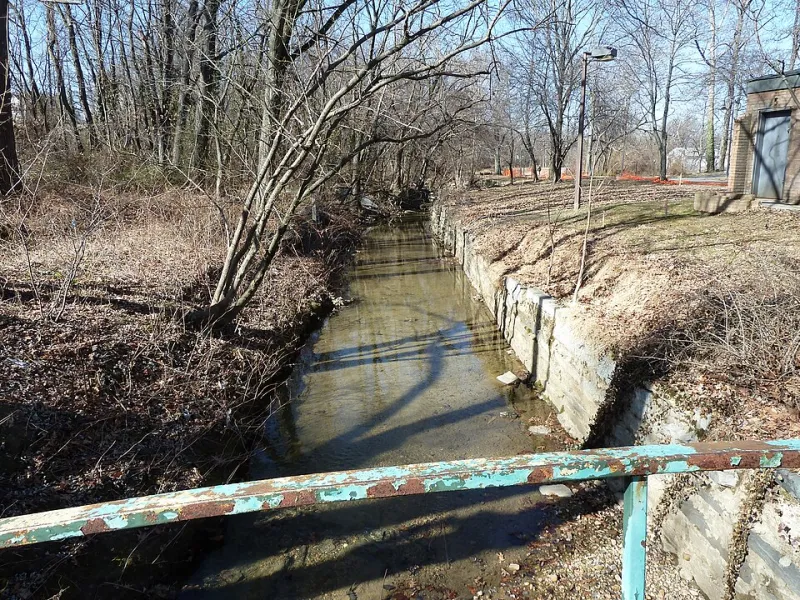
Beneath the streets of America's cities runs a largely unmapped world of culverted streams, buried tributaries, and forgotten drainage channels—waterways that planners once erased from maps but that continue to shape public health, flooding risk, and contamination patterns in ways many municipalities cannot fully account for. A troubling combination of fragmented institutional records, rapid development pressure, and chronic underfunding has left city governments surprisingly ignorant of their o

Daylighting the Forgotten: How American Cities Are Liberating Their Buried Rivers

Daylighting the Forgotten: How American Cities Are Liberating Their Buried Rivers

Beneath the streets of dozens of American cities, rivers that were buried in concrete pipes and channelized decades ago are beginning to see sunlight again. A growing movement to restore urban waterways is transforming stormwater liabilities into vibrant green corridors that reduce flooding, filter pollution, and reconnect communities with the living systems beneath their feet. The ecological and economic evidence is now compelling enough to demand a national rethinking of how cities relate to t

The Long Journey of a Nitrogen Molecule: Tracing Farm Runoff from Midwest Fields to Gulf Coast Dead Zones

The Long Journey of a Nitrogen Molecule: Tracing Farm Runoff from Midwest Fields to Gulf Coast Dead Zones

Every spring, snowmelt and rainfall carry millions of tons of agricultural nitrogen and phosphorus off Midwest croplands and into America's river networks, beginning a months-long journey that ends in oxygen-depleted coastal waters where marine life cannot survive. The Gulf of Mexico's hypoxic dead zone — sometimes larger than the state of New Jersey — is the most visible consequence of a nutrient pollution crisis that implicates farm policy, infrastructure investment, and the choices made on in

Invisible Threat: The Microplastic Contamination Silently Moving Through Every American Watershed

Invisible Threat: The Microplastic Contamination Silently Moving Through Every American Watershed

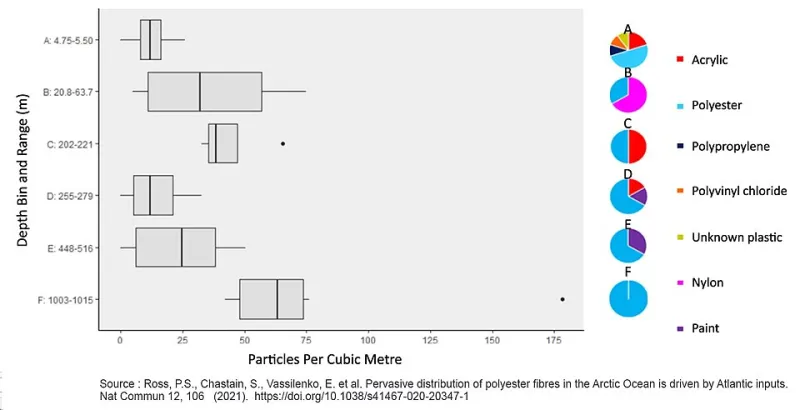
Microplastics have been detected in rivers from the Mississippi to the Colorado, in the drinking water of major cities, and even in the blood and lung tissue of human beings. Despite mounting scientific alarm, these synthetic particles remain almost entirely unregulated in the United States. Understanding where they come from—and what they do once they enter a watershed—is the first step toward demanding the policy response this crisis requires.

From Source to Faucet: 7 Emerging Contaminants Threatening Your Municipal Water Supply

From Source to Faucet: 7 Emerging Contaminants Threatening Your Municipal Water Supply

Most Americans turn on their taps without a second thought, trusting that what flows out has been rendered safe by modern treatment technology. That trust is not entirely misplaced—but it is increasingly incomplete. A growing class of contaminants is reaching household faucets largely undetected, and the regulatory frameworks designed to catch them have not kept pace.